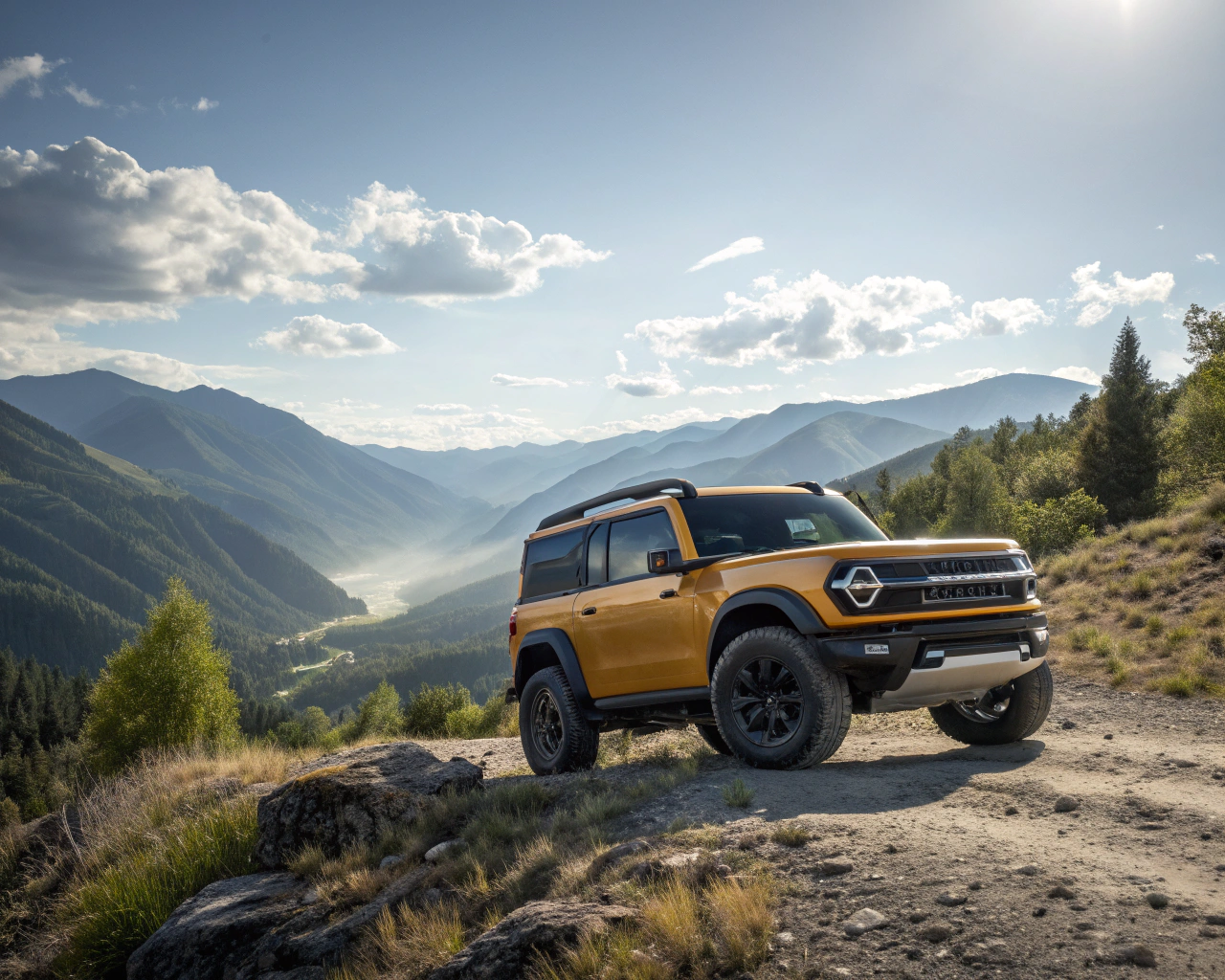

Before buying a family SUV in 2026, it's essential to consider several factors that affect safety, comfort, and functionality.
Choosing the right family SUV isn’t just about picking a model; it’s about understanding how it fits your lifestyle. With the 2026 models coming out, the market is buzzing with exciting options that blend technology, safety, and spaciousness. Here are some crucial considerations.
Key Features to Look For
Safety Ratings and Features
Safety is paramount when selecting any family vehicle. Check crash test ratings from the National Highway Traffic Safety Administration (NHTSA) and the Insurance Institute for Highway Safety (IIHS) for specific models. Look for advanced safety features such as:
- Adaptive cruise control
- Automatic emergency braking
- Lane-keeping assistance
- Blind-spot monitoring
The 2026 Hyundai Santa Fe, for instance, is reported to focus heavily on safety, aiming to instill peace of mind for families.
Cargo Space and Interior Comfort
When you think family SUV, think about space. Factor in not just passenger capacity, but cargo space as well. You’ll want a vehicle that can haul school supplies, sports gear, and luggage. Here are some tips:
- Measure your typical cargo for size reference.
- Explore features like split-folding rear seats to maximize space.
- Check if the SUV has a flat load floor, making it easier to load and unload.
The Chevrolet Traverse is known for its generous cargo capacity and is a solid choice for families needing extra carrying space.
Fuel Efficiency vs. Power
With increased fuel prices, fuel efficiency is a significant concern for many buyers. Family SUVs like the Volvo XC90 Plug-in Hybrid are designed for fuel economy without sacrificing power. Understand your needs:
- Consider how often you'll be taking longer trips.
- Reflect on if a hybrid model aligns with your family’s preferences for sustainability.
Technology Integration
In this digital age, seamless technology integration is key. Look for features that help keep families connected on the road, including:
- Compatibility with Apple CarPlay and Android Auto.
- Built-in Wi-Fi hotspot capabilities.
- Rear-seat entertainment systems.
The advancements in the 2026 models feature tech systems that allow both parents and kids to enjoy the ride.
Family Needs and Lifestyle Considerations
The family lifestyle can influence what SUV model fits you best. Will you be doing a lot of city driving, or do you need off-road capabilities for weekend adventures?
- Consider how many car seats you'll need and their configuration.
- Think about the typical number of passengers. A three-row SUV could be an excellent fit for larger families but may not be necessary for smaller households.
Common Query: Are Hybrid Models Worth It?
A frequently asked question is whether investing in a hybrid SUV is beneficial. They are generally more fuel-efficient and often come with tax incentives. This could save considerably in the long run, even if the initial price is higher. Ask how often you'll realistically charge and if charging stations are accessible in your area for a plug-in hybrid.
New SUV Checklist
Here’s a quick checklist to guide your purchase:
- Test Drive: Always test drive multiple models.
- Evaluate Options: Compare features among different brands and models.
- Examine Safety Features: Look at included safety features carefully.
- Check Reviews: Read about other families' experiences with the vehicles.
- Look for Warranties: Understand maintenance plans or warranties as added security measures.
The Final Thoughts
Buying a family SUV in 2026 is about understanding what meets your unique requirements. Don’t just go for the latest model; consider how well it serves your family’s needs.
With so many options designed with families in mind, taking the time to research will reward you with a purchase that balances comfort, safety, and fun. Plus, getting the right fit can elevate your family experiences for years to come.
Keep in mind that this information is for guidance purposes only. It's always best to consult automotive professionals when making significant car purchases.
See you on the road!